What Is “Landed Cost”? How to Calculate It?
Landed cost refers to the total cost of a product once it has arrived at the buyer’s doorstep, including product price, and also shipping, customs duties, insurance, and overhead.
In CPG, that “doorstep” shifts depending on your channel. Sometimes it’s a customer ordering via DTC. Sometimes it’s a distributor like UNFI or KeHE receiving pallets at their DC. Sometimes it’s a retailer like Target or Whole Foods with strict routing guides, compliance rules, and delivery appointments.
Our goal with this article is to explain the landed cost definition, how to calculate landed costs, a real CPG example, common mistakes brands make, and what actually goes into the number so you can build a landed cost calculator you trust.
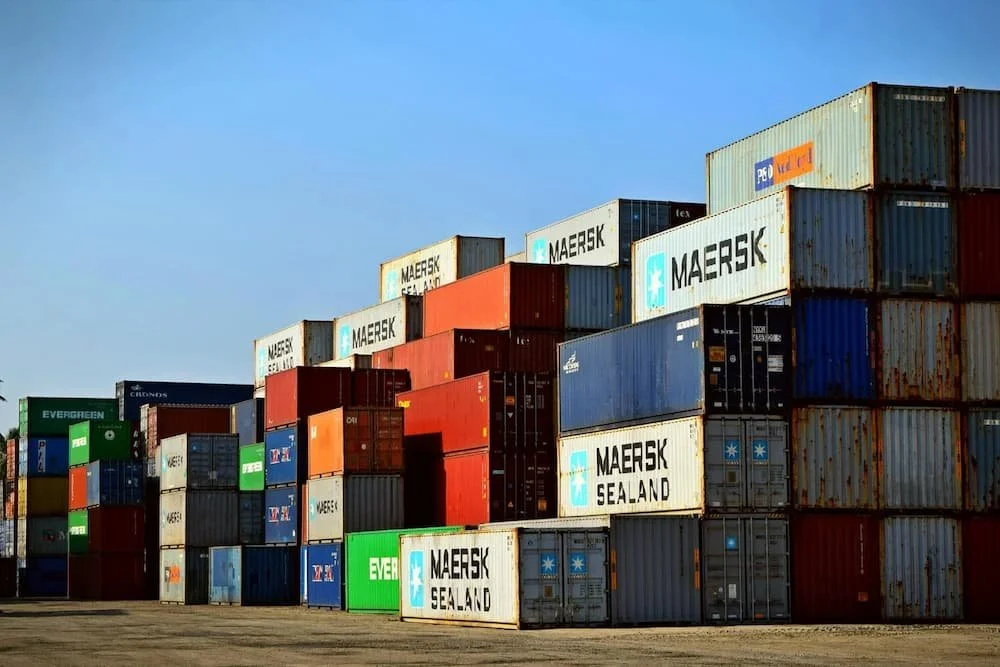
Landed Cost Definition: What It Actually Means for CPG Brands
If you strip away the jargon, landed cost is simply the true cost to get product from your supplier to your customer’s doorstep or to a shelf where a someone can buy it. Not just what you paid the manufacturer. Everything.
For CPG brands specifically:
For DTC brands, landed cost usually means the all-in cost to get product into your fulfillment center or sometimes all the way to the customer’s doorstep.
For distributor sales, it means the cost to deliver compliant pallets to UNFI, KeHE, or another distributor DC.
For retail, it usually means getting product to a retailer distribution center, meeting their routing guide requirements, labeling standards, and timing expectations.
A key distinction many early brands miss:
First cost is what you pay your supplier or co-man for the finished product.
Total landed cost is first cost plus freight, duties, fulfillment, storage, shipping, and packaging
A surprising number of emerging brands use first cost as their COGS assumption. That almost always overstates margins and leads to pricing decisions that later become painful to unwind.
The Landed Cost Formula
Here’s the simplest way to frame it:
Landed Cost = Product Cost + Shipping/Freight + Customs Duties & Tariffs + Fulfillment
Each category sounds straightforward, but the details matter.
Product cost
This is the supplier or co-packer invoice. Ingredients, packaging, finished goods, conversion fees. It’s the obvious part, but only part of the story.
Shipping and freight
Ocean freight, air freight, drayage, rail, domestic FTL or LTL, small parcel shipments for DTC, temperature-controlled freight for perishables. Freight volatility alone can swing margins significantly.
Customs duties and tariffs
If you import ingredients, packaging, or finished goods, duties apply based on HTS classification and country of origin. Tariff changes can quietly impact margin if you aren’t tracking them.
Insurance
Cargo insurance, spoilage protection for perishables, sometimes additional coverage for high-value shipments.
Overhead
This is where brands lose track. Currency conversion fees, payment processing charges, customs brokerage, warehouse receiving labor, quality inspections. They add up fast.
The formula looks simple. Getting clean inputs across suppliers, forwarders, brokers, and warehouses is where the real work lives.
What’s Included in Landed Cost? A CPG Breakdown
If you want accurate landed costs, completeness matters more than complexity. Missing one category creates false confidence.
Here’s how it usually breaks down for CPG.
Product or unit cost
Raw ingredients (if your co-man is not turnkey) or tolling costs (if your co-man is turnkey)
Packaging components like bottles, labels, cartons as well as inner and outer case packs
Co-packer conversion fees
Packaging decisions here often affect freight costs later, so product cost and shipping cost aren’t completely separate in practice.
Freight and shipping
International freight: ocean, air, port handling, drayage
Domestic freight: FTL, LTL, rail, parcel shipping
Temperature control costs when relevant
Accessorial fees like liftgate, detention, or appointment rescheduling
Expedited freight, for last minute mix ups or rush situations
Shipping to consumers looks very different from shipping pallets to distributors or retailers. Parcel fulfillment costs creep quickly.
Customs duties and tariffs
Import duties tied to HTS classification
Tariffs linked to origin country
Broker filing fees and documentation costs
These costs matter more than many founders expect, especially in food, supplements, beauty, and wellness where imported ingredients are common.
Insurance
Cargo insurance for loss or damage
Spoilage coverage for sensitive products
You don’t think about this until a shipment goes sideways. Then you wish you had.
Overhead
This is the “death by a thousand cuts” category.
Currency conversion and wire fees (especially if you pay overseas suppliers)
Payment processing fees (card, platform fees, financing tools)
Warehouse receiving labor, pallet breakdown, labeling, putaway
Quality control: COAs, microbiological testing, heavy metals testing, stability testing (varies by category)
Compliance costs: labeling reviews, documentation, retailer-specific requirements
This category causes the biggest blind spots. Costs show up across different invoices, so they rarely get allocated cleanly back to SKU economics.
Ready to own your operations?
Bravo CPG is the #1 fractional operations firm for growing CPG brands.
How to Calculate Landed Cost: A Real CPG Example
Let’s make this tangible.
Imagine a wellness brand importing 5,000 units of a specialty ingredient from Europe.
Here’s a realistic breakdown:
Supplier unit cost: $3.50
Ocean freight plus domestic LTL: $0.80 per unit
Customs duty at 4.5 percent: $0.16 per unit
Cargo insurance: $0.05 per unit
Fulfilment: $0.25 per unit
Total landed cost comes out to $4.76 per unit.
That’s $1.26 more than the original $3.50 first cost. Across 5,000 units, that’s $6,300 in additional costs that easily get overlooked if you’re only looking at supplier pricing.
Now add real-world CPG complexity:
Multiple ingredients from different countries. Packaging sourced elsewhere. Different fulfillment channels. Retail compliance requirements. Returns and deductions.
The math stays the same. The inputs get messier.
Landed Cost vs COGS: What’s the Difference?
COGS covers the cost to produce or purchase the product. Landed cost includes COGS plus everything required to get that product delivered to the buyer’s doorstep.
For most CPG brands:
COGS includes ingredients, packaging, and co-man fees.
Landed cost adds freight, duties, insurance, receiving labor, and fulfilment.
Some brands roll landed cost into COGS for accounting simplicity. Others track it separately for operational clarity. Either way, you need to understand the full number before pricing, forecasting margin, or negotiating with retailers.
Common Landed Cost Mistakes CPG Brands Make
These show up constantly once brands start scaling.
Using first cost instead of landed cost for margin decisions
Margins look healthier than reality, often by 15 to 30 percent. That leads to underpricing or overinvesting in growth.
Ignoring tariff or freight changes
Freight rates fluctuate. Tariffs shift. If you don’t update regularly, margin erosion happens quietly.
Forgetting inbound freight when negotiating wholesale pricing
Retail buyers negotiate hard. Starting with incorrect cost assumptions makes those conversations tougher.
Not recognizing that your landed costs can vary: Your fully landed costs can vary by lot - e.g. if you switched suppliers or fulfilled to a DC that was near your warehouse or farther away.
Treating landed cost as static
It isn’t. Quarterly updates are usually a good cadence. More often if sourcing or freight conditions change.
How to Reduce Your Landed Cost
You usually don’t need dramatic changes. Just disciplined operations and clear, accessible data.
Consolidate shipments when possible
Partial shipments inflate freight costs. Consolidation lowers per-unit economics. Maximize use of your pallet space through creative configurations and case pack design.
Review tariff classifications periodically
Misclassification happens. Fixing it can recover margin immediately.
Reevaluate domestic versus overseas sourcing
Lower unit price overseas sometimes disappears once freight, duties, and risk are added.
Choose the right 3PL footprint
Warehouses closer to ports or key retail DCs reduce inland freight and delays.
Small operational improvements compound quickly in CPG.
Get Your Landed Cost Right Before You Scale
Landed cost directly affects retail pricing, distributor margins, DTC profitability, and your ability to scale without margin surprises. If the numbers aren’t accurate, growth just amplifies the problem.
If you need ops support, Bravo CPG acts as an embedded operations team for growth-stage food, beverage, beauty, and wellness brands. We take ownership of production, 3PL and co-man management, wholesale orders, demand planning, shipping, freight, and other mission-critical ops functions so brands avoid costly operational mistakes, free up leadership bandwidth, and scale profitably with confidence.
FAQ: Landed Cost for CPG Brands
What is landed cost?
It’s the total cost of a product once it arrives at the buyer’s doorstep, including manufacturing, freight, duties, insurance, and fulfillment.
How do you calculate landed cost per unit?
Add product cost, freight, duties, insurance, and overhead, then divide by the number of units received.
What is the difference between landed cost and COGS?
COGS covers production costs. Landed cost includes COGS plus all costs required to deliver product.
What is included in total landed cost?
Purchase price, shipping, duties, tariffs, insurance, handling, storage, currency conversion, and operational overhead.
What is first cost vs landed cost?
First cost is the supplier price only. Landed cost is the fully delivered cost.
Why is landed cost important for CPG brands?
It drives pricing, margin, cash flow forecasting, and channel profitability. It also allows brands to set the right price point for each channel.
How often should you recalculate landed cost?
Typically quarterly, or whenever sourcing, tariffs, or freight conditions change.
Can you use a landed cost calculator?
Yes. Just make sure your inputs stay accurate and current.